Column · @dallasegqc042
Dental Crowns for Decayed Teeth: A Reliable Restoration Option
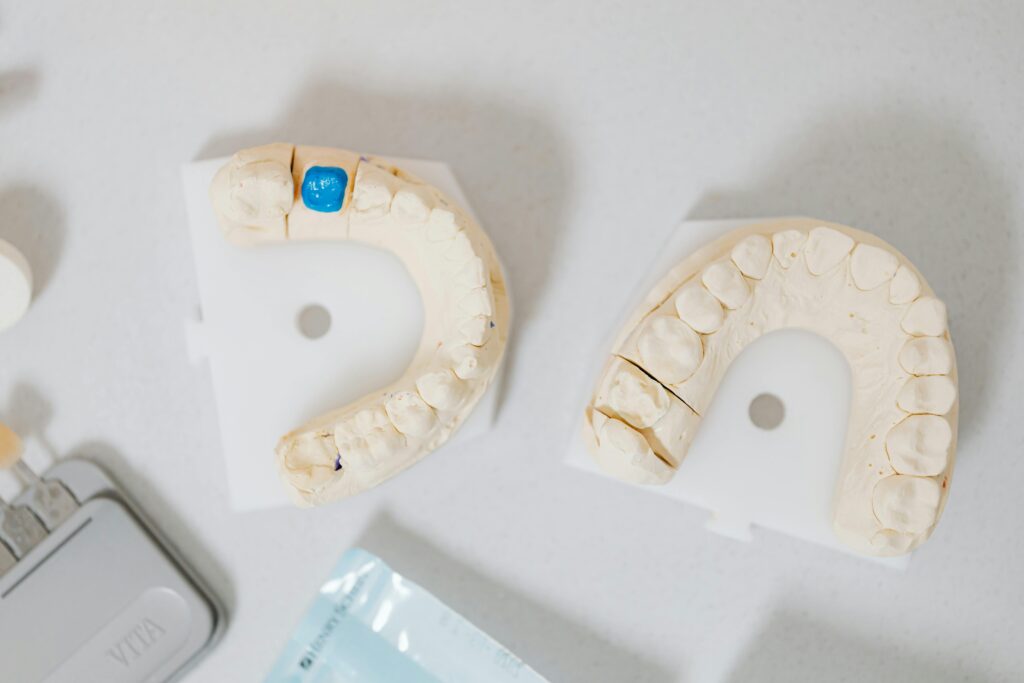
Tooth decay does not always stop at a small filling. In daily practice, one of the most common turning points comes when a patient arrives with a tooth that has lost too much structure to be patched predictably with a direct restoration. The cavity may be large, a wall may have fractured, or the tooth may have already been filled more than once. At that stage, the question is no longer whether the decay can be removed. The real question is how to restore the tooth so it can function under years of chewing pressure without failing again in short order.
That is where Dental Crowns often become the most reliable option. A crown does not simply plug a hole. It covers and protects a damaged tooth from further breakdown, while restoring shape, strength, and bite function. For many patients, it is the difference between constantly repairing the same weakening tooth and giving it a realistic chance to last.
The appeal of a crown is not only mechanical. A decayed back molar can make chewing uneven, lead to sensitivity, trap food, and disrupt the way the upper and lower teeth meet. A front tooth with advanced decay adds a cosmetic burden as well. A well-made crown addresses both the structural problem and the day-to-day discomfort that comes with a compromised tooth.
When decay reaches the point where a filling is no longer enough
There is no single millimeter measurement that automatically means a tooth needs a crown. Dentistry is more nuanced than that. The decision depends on how much healthy tooth remains, where the cavity sits, whether the tooth has cracks, how heavy the bite forces are, and whether the tooth has had root canal treatment.
A small or moderate cavity often responds well to a filling. Once decay becomes extensive, the remaining enamel and dentin may be too thin to support one. Large fillings in back teeth are especially vulnerable because molars absorb substantial force. Every chewing cycle flexes the tooth slightly. If too much natural tooth has been replaced with filling material, the remaining walls can begin to fracture. Sometimes the restoration looks acceptable on an X-ray, yet the tooth starts splitting at the cusps, those raised points that do the grinding.
That pattern is familiar. A patient may say, “It was just a filling a few years ago, then part of the tooth chipped, then another filling fell out.” By the time they sit in the chair, the tooth has been patched repeatedly and is less stable each time. In cases like that, placing another filling may be cheaper in the short term, but it can be the more expensive choice over time if it leads to another fracture or eventual extraction.
Root canal treatment changes the conversation as well. A tooth that has had its nerve removed is often more brittle, not because the tooth is dead in a dramatic sense, but because it has usually already lost substantial internal structure from decay, access preparation, or both. Posterior teeth after root canal treatment frequently benefit from crown coverage because the risk of fracture rises sharply once the tooth is hollowed and weakened.
What a crown actually does
A dental crown is a custom-made cap that fits over the prepared tooth. The dentist removes decay, shapes the tooth so the crown can seat securely, and then a lab or in-office milling system fabricates the final restoration. Once bonded or cemented, the crown becomes the new outer shell of the tooth.
That shell matters. It redistributes bite forces more evenly, splints weakened cusps together, and seals the restored tooth against food and bacterial infiltration when properly fitted. For heavily decayed teeth, it offers a level of coverage that a routine filling cannot match. The goal is not simply to make the tooth look intact on the day of treatment. The goal is to help it survive normal use for years.
This is one of the reasons crowns are often described as full-coverage restorations. They protect more than just the decayed area. They reinforce the tooth as a whole. That distinction is easy to overlook until you see the long-term difference between a heavily restored tooth with isolated fillings and a properly designed crown with good margins and stable bite contacts.
Signs a decayed tooth may be heading toward crown treatment
Not every patient recognizes when a tooth has moved beyond the filling stage. A few patterns make that more likely:
- The cavity is large and one or more tooth walls are thin, undermined, or already broken.
- An old filling has failed repeatedly, especially on a molar or premolar.
- The tooth hurts when biting, suggesting crack lines or flexing under pressure.
- Decay extends deep enough that a root canal is needed or likely.
- A substantial portion of the tooth has fractured away, even if the nerve is still healthy.
These are not absolute rules, but they are strong clues. The final call depends on an examination, X-rays, and sometimes what is found after the decay is removed. A tooth can look restorable on film and turn out to have less sound structure than expected once the softened dentin is cleaned out.
The materials matter, but the diagnosis matters more
Patients often focus first on what the crown will be made of. That is understandable. Ceramic, zirconia, porcelain-fused-to-metal, and gold all have different reputations, aesthetics, and price points. Yet in my experience, material choice matters less than people think when compared with proper diagnosis, preparation design, and fit.
A beautiful all-ceramic crown placed on a tooth with an inadequate ferrule, poor isolation, or unresolved crack symptoms may fail. A less glamorous restoration that is well-planned and correctly seated can serve a patient for many years. Crowns succeed because of the whole treatment plan, not because of marketing around one material.
That said, each material has strengths. All-ceramic and zirconia crowns are common for their appearance and durability. Full gold crowns are still excellent in many back-tooth cases because they are kind to opposing teeth and extremely durable, though many patients prefer tooth-colored options. Porcelain-fused-to-metal crowns remain Dental Crowns useful, but they can sometimes show a dark margin over time if the gumline recedes.
The best choice often depends on where the tooth is located, how much room exists between upper and lower teeth, whether the patient grinds their teeth, and how visible the tooth is when speaking or smiling.
What happens during the procedure
A crown is usually completed in two visits, although some practices offer same-day systems in selected cases. The first appointment begins with local anesthesia, unless the tooth has no sensation after root canal treatment and the surrounding tissues can tolerate the procedure comfortably. The dentist removes decay, old restorative material, and unsupported enamel. If too much tooth is missing, a core build-up may be placed to recreate a solid foundation.
The tooth is then shaped with precise taper and reduction so the future crown has enough thickness to be strong without looking bulky. This stage is more technical than many patients realize. Remove too little tooth and the crown may be weak or overcontoured. Remove too much and healthy structure is sacrificed unnecessarily. Good crown preparation is an exercise in controlled judgment.
Once the tooth is prepared, an impression or digital scan is taken. Bite records help the lab reproduce how the teeth meet. A temporary crown is usually placed while the final one is being fabricated. That temporary does more than cover the tooth cosmetically. It protects sensitivity, helps maintain tooth position, and gives the gum tissue a provisional shape.
At the second visit, the temporary crown is removed and the final restoration is tried in. The dentist checks the margins, contacts with neighboring teeth, shade, and bite. If everything fits properly, the crown is bonded or cemented into place.
Patients are sometimes surprised by how exacting the fit needs to be. A crown can look fine in a mirror and still be unsuitable if the bite is high or the margin is not fully adapted. This is why careful adjustment matters. Even a tiny discrepancy can create soreness on biting or a feeling that the tooth hits first.
The role of a crown after root canal treatment
Decayed teeth often end up needing both endodontic treatment and a final crown. It is worth separating those two steps because they solve different problems. A root canal removes infected or inflamed pulp tissue from inside the tooth. It treats pain and infection. It does not strengthen the remaining tooth.
That is a common misunderstanding. Some patients feel better after the root canal and assume the issue is fully resolved. Structurally, though, the tooth may still be fragile. If large areas of the biting surface have been lost to decay and access preparation, the tooth can fracture without a protective restoration. Posterior teeth are most at risk because they bear the heaviest chewing loads.
There are exceptions. A small front tooth with minimal access and plenty of remaining structure may not always need full crown coverage. But in molars and many premolars, especially where decay was significant to begin with, a crown is frequently the safer long-term restoration.
Crowns versus large fillings or onlays
The alternative to a crown is not always extraction. Sometimes a large bonded filling or an onlay can preserve more natural tooth while still restoring function. This is where treatment planning becomes case-specific.
A bonded filling works best when enough sound tooth remains to support it and when the tooth is not already showing crack behavior. An onlay can be an excellent middle ground. It covers one or more cusps without wrapping around the entire tooth like a traditional crown. For selected teeth, particularly when the margins can stay in clean, accessible areas, an onlay offers a conservative approach.
Still, there are many cases where a crown provides a better prognosis. Deep decay that wraps around multiple surfaces, fractured cusps, repeated restoration failure, and post-root-canal molars all push the balance toward full coverage. If the goal is durability under real chewing forces, not just short-term repair, the crown often wins.
That trade-off deserves an honest discussion. A crown requires more tooth reduction than a simple filling. It also costs more and involves more laboratory precision. But when the tooth is already structurally compromised, preserving a little extra weakened enamel at the expense of long-term predictability is not always conservative in the meaningful sense. Real conservation means choosing the option most likely to keep the tooth functional and in the mouth.
Longevity, and what shortens it
No crown lasts forever. Good crowns can last a decade or longer, and many do considerably better, but lifespan depends on factors that are partly under the dentist’s control and partly under the patient’s.
The most common reasons crowns fail are not dramatic manufacturing defects. More often, the problem is recurrent decay at the margin, fracture of the underlying tooth, cement washout over time, heavy grinding forces, or gum changes that expose vulnerable root surfaces. Sometimes a crown itself remains intact while the tooth beneath it develops a new cavity along the edge. From the patient’s perspective, that still feels like “the crown failed,” even though the restoration may not have broken.
Oral hygiene plays a major role. Crown margins must be kept clean, especially near the gumline where plaque accumulates. Diet matters too. Frequent sugar exposure does not spare crowned teeth. The crown material cannot decay, but the natural tooth at the edge absolutely can.
Bite force is another factor that patients often underestimate. People who clench or grind can crack porcelain, loosen crowns, or fracture the tooth underneath. It is not unusual to see a technically good crown placed on a patient with severe bruxism fail early simply because the forces were never managed. In those cases, a night guard can make a meaningful difference.
Cost concerns, and whether a crown is worth it
A crown is more expensive than a filling, and that reality shapes many treatment decisions. Patients sometimes ask whether they can “just do something temporary” until later. The answer depends on the condition of the tooth. In some cases, a large interim filling can buy time. In others, postponing definitive treatment increases the chance that the tooth will crack, become infected, or need extraction.
The value of a crown is best judged against the alternatives. Replacing a failed large filling every year or two is not economical if the tooth continues to weaken. Extracting the tooth and replacing it with an implant or bridge is usually far more costly than restoring it with a crown while it is still salvageable. There is also the practical cost of living with a compromised tooth, chewing on one side, avoiding cold drinks, and worrying each time something crunchy shows up on the plate.
A useful way to think about it is that a crown is not just a repair bill. It is risk management. When the tooth has crossed a structural threshold, crown treatment often lowers the chance of a more serious and expensive problem later.
Situations where a crown may not be the right answer
Dental Crowns are highly effective, but they are not universal solutions. If decay has extended too far below the gumline or into the root in a way that cannot be predictably sealed, the tooth may be unrestorable. If there is severe bone loss, advanced vertical fracture, or inadequate remaining structure for retention, placing a crown can become heroic rather than sensible.
There are also cases where a patient’s symptoms suggest a crack that runs too deep. A crown may temporarily splint the tooth and reduce pain, but if the fracture extends down the root, the long-term outlook is poor. This is one of the harder conversations in dentistry because the tooth can appear salvageable at first glance.
Then there are strategic decisions. If a wisdom tooth has extensive decay but poor cleaning access, limited function, and an opposing tooth that is missing, extraction may be the more rational treatment. A crown should serve the patient’s overall oral health, not just preserve a tooth at any cost.
Recovery and living with a new crown
Most patients return to normal activity the same day. Mild soreness in the gum or jaw is common after preparation, especially if the tooth required significant shaping or if the mouth was open for a long appointment. Some temperature sensitivity can occur for a short period on vital teeth. Bite tenderness should improve quickly once the tooth settles, assuming the occlusion is balanced properly.
The temporary phase deserves attention. Temporary crowns are not meant to be chewed on recklessly. Sticky foods can dislodge them, and if one comes off, it should be addressed promptly. Teeth can shift surprisingly fast, making it harder to seat the final crown if the temporary is lost for too long.
Once the final crown is in place, patients often notice a brief adjustment period. The tongue is remarkably sensitive and may fixate on the new contours for a day or two. That usually fades quickly. Persistent awareness, pain on biting, or the sense that the tooth is “high” should be checked rather than tolerated. Minor bite adjustments early on can prevent ongoing irritation.
Practical habits that help crowns last
A crown does not ask for unusual maintenance, but it does reward consistency.
- Brush carefully along the gumline, where new decay most often begins around crowns.
- Clean between the teeth daily with floss or another interdental aid that you will actually use.
- Limit frequent sugary snacks and drinks, especially if they are sipped over long periods.
- Wear a night guard if you clench or grind and your dentist has recommended one.
- Do not ignore symptoms such as food trapping, a loose feeling, or pain when chewing.
Those habits sound ordinary because they are. Yet they are the difference between a crown that quietly serves for years and one that develops preventable problems around the margin.
The difference good planning makes
Some of the best crown cases are uneventful. The tooth was diagnosed correctly, decay was removed completely, the foundation was sound, the margins were accessible for cleaning, and the final bite was adjusted carefully. Nothing dramatic happens afterward, which is exactly the point. Dentistry often earns praise for the visible result, but the real success lies in reducing future trouble.
There is a quiet satisfaction in seeing a heavily decayed tooth restored to normal function. A patient who had been chewing on one side resumes eating comfortably. A tooth that looked destined for extraction remains stable. Sensitivity settles. Food stops packing into a broken corner. The mouth feels balanced again.
That is the practical value of Dental Crowns. They are not glamorous treatment, but they are dependable when used for the right reasons. For decayed teeth that have lost too much strength for a filling alone, a crown remains one of the most reliable ways to restore structure, function, and confidence in the long term.
Omni Dental Specialty
1690 E Gonzales Rd, Oxnard, CA 93036, United States
+1 805-410-9603
FAQ About Dental Crowns
How long do crowns last on teeth?
A dental crown often lasts about five to fifteen years, although some last longer. Material, the underlying tooth, oral hygiene and grinding habits affect longevity. Regular dental examinations help identify wear, decay or a loose crown; no lifespan is guaranteed.
How much does a tooth crown cost?
There is no single price for every crown. Material, laboratory work, the condition of the tooth and any additional treatment affect the fee. Ask for a written estimate and confirm your insurance benefits, exclusions and out-of-pocket costs before treatment.
What is the downside of crowns on teeth?
A conventional crown usually requires irreversible removal of some tooth structure. Possible problems include sensitivity, chipping, loosening and decay at the crown margin; some teeth later need root canal treatment. Discuss your tooth's condition, material choices and suitable alternatives with your dentist.