Column · @dallasegqc042
Dental Crowns Oxnard CA for Cosmetic and Restorative Needs
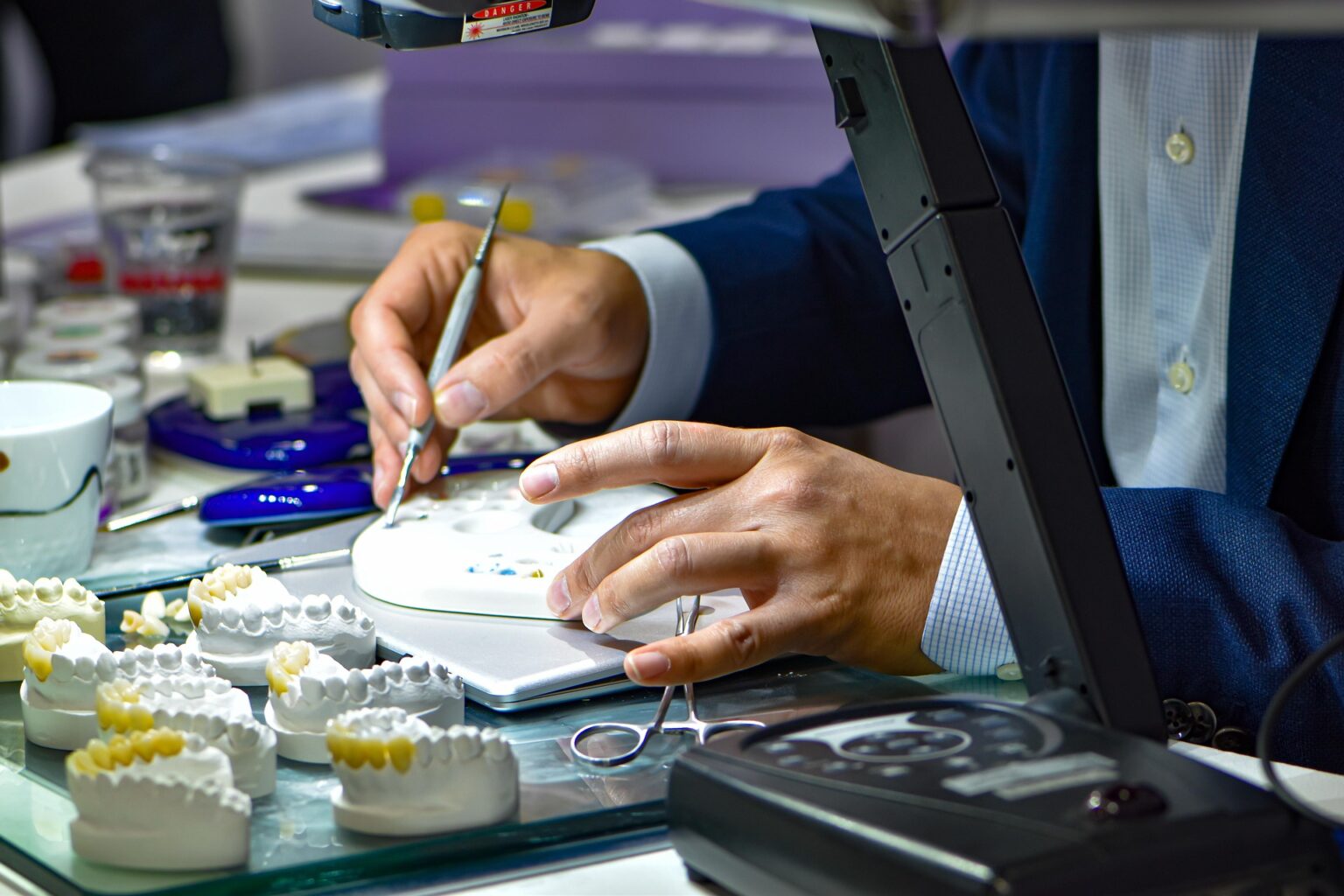
A well-made dental crown does more than cover a tooth. It restores shape, strength, bite function, and in many cases confidence. In a place like Oxnard, where patients range from young professionals and growing families to retirees managing years of dental wear, crowns often sit at the intersection of health and appearance. Some people need one after a root canal. Others want to rebuild a front tooth that has chipped, darkened, or worn down. Many arrive thinking they need an extraction, only to learn that a crown can preserve the natural tooth for years.
When people search for Dental Crowns Oxnard CA, they are usually trying to solve a specific problem, not browse abstract treatment options. A tooth broke while chewing. An old filling failed. A front tooth looks uneven in photos. There may be pain, embarrassment, or both. Crowns are one of the most versatile treatments in restorative and cosmetic dentistry because they address structural loss and visible flaws at the same time.
Why crowns remain such a dependable treatment
Dentistry has changed dramatically over the past two decades, but the logic behind a crown remains steady. If a tooth has lost too much natural structure to function predictably with a simple filling, a crown can act like a protective outer shell. It covers the visible portion of the tooth above the gumline and redistributes biting forces more safely than a patchwork repair.
That matters in daily life. Back teeth handle heavy pressure, often several times a day with every meal and snack. A tooth with a large filling, a crack, or brittle enamel can survive for a while, but survival and stability are not the same thing. It is common to see a molar hold on for months, then fracture suddenly on something ordinary like toast, nuts, or a piece of grilled chicken. By the time that happens, treatment may become more complicated and more expensive.
On the cosmetic side, crowns can correct problems that veneers or bonding may not handle well. If a tooth is significantly discolored, heavily restored, misshapen, or weakened, a crown can provide a stronger and more comprehensive result. The key is judgment. Not every unattractive tooth needs a crown, and not every damaged tooth can be saved with one. Good treatment planning depends on how much healthy tooth remains, where the damage sits, and how the patient bites.
Cosmetic goals and restorative needs often overlap
Patients usually divide dental care into two boxes, cosmetic and medically necessary. In practice, those boxes overlap more than people expect. A front tooth with an old dark filling may bother someone because of appearance, but if the filling is leaking and the tooth is cracking, the issue is also functional. A worn canine may make a smile look older, yet that wear can also change how the back teeth come together. Even a single crown can improve speech, chewing comfort, and facial symmetry while also making the smile look more balanced.
This is especially true with front teeth. The human eye is quick to notice asymmetry at the center of the smile. A tooth that looks slightly too short, too gray, or too flat can draw attention even if no one can explain why. The challenge for the dentist is not simply to place a crown that looks white. It has to match neighboring teeth in translucency, brightness, contour, and surface texture. A crown that is technically sound but slightly opaque can stand out in daylight. A crown with perfect color but poor shape can make the smile look artificial.
Back teeth present a different kind of overlap. Patients may not care how a molar looks, but they care very much whether they can chew on it without pain. A crown in that area must fit the bite with precision. Even a high spot that seems minor in the chair can feel like a pebble in the mouth once the anesthetic wears off.
Situations where a crown is commonly recommended
Crowns are often used in predictable, well-established scenarios. The details matter, but a crown is frequently considered when a tooth has one or more of these problems:
- A large cavity or old filling has left too little natural tooth to support another filling.
- A tooth has cracked, fractured, or chipped in a way that weakens the cusps or edges.
- A root canal has been completed and the remaining tooth needs protection.
- A tooth is severely worn, misshapen, or discolored and needs full coverage for cosmetic improvement.
- A dental implant or bridge requires a crown as the visible restoration.
Even within those categories, there are nuances. A small chip on a front tooth might be handled beautifully with bonding. A large crack running below the gumline may make a crown impossible. A root canal on a front tooth does not always demand the same level of reinforcement as a heavily loaded molar. This is where an experienced clinical eye matters.
What happens during the crown process
Most crown treatment follows a familiar rhythm, though the timeline can vary depending on the office, the material chosen, and whether digital scanning or same-day technology is available. The first visit typically focuses on diagnosis and preparation. The dentist examines the tooth, reviews radiographs, checks the bite, and talks through whether the tooth is restorable. If the plan is sound, the tooth is shaped so the final crown has room to fit without looking bulky.
That shaping step worries some patients, but the amount removed is guided by the material and the tooth’s condition. A porcelain crown needs enough thickness to be strong and lifelike. A molar with a large broken cusp may already have lost much of its outer structure, so preparation is as much about refining what remains as it is about reducing healthy tooth.
After the tooth is prepared, the office takes an impression or a digital scan. Accuracy here is critical. Margins must be captured clearly. Contacts with neighboring teeth must be recorded correctly. Bite registration has to be stable. Small errors at this stage can lead to a crown that feels tight, open, high, or rough along the gumline.
A temporary crown usually protects the tooth while the final one is being made. Patients often underestimate the temporary, but it tells both dentist and patient a lot. If a temporary comes off repeatedly, there may be bite issues or limited tooth structure. If the shape feels awkward in speech or chewing, those lessons can guide the final design. In anterior cases, the temporary also gives a preview of length and contour.
At the delivery visit, the final crown is tried in, evaluated from several angles, adjusted if needed, and then cemented or bonded. The best appointments are unhurried. Shade, fit, tissue response, and bite all deserve attention. A crown should not simply click into place and disappear into the schedule.
Choosing the right material
Patients often ask for “porcelain” as if it were one thing. It is not. Modern crowns can be made from several materials, each with strengths and limitations. For many cases, all-ceramic crowns are popular because they can look natural and hold up well. Zirconia has earned a strong reputation for durability, especially in posterior areas, though esthetic versions vary. Porcelain fused to metal is still used in some situations, particularly when strength and long-term track record matter, but it can show a dark margin over time if the gums recede.
Material choice should reflect the tooth’s location, the patient’s bite forces, cosmetic expectations, and habits like grinding. A person who clenches heavily at night may need a different design than someone seeking a single front crown after trauma. This is not the place for one-size-fits-all decisions.
A practical conversation about materials usually includes these factors:
- Appearance, especially how the crown reflects light next to natural teeth.
- Strength under chewing pressure, particularly on molars.
- Amount of tooth reduction required for the chosen material.
- Wear on opposing teeth, which matters in patients with grinding habits.
- Cost, since some materials and lab work are more expensive than others.
Many patients are surprised to learn that the most esthetic option is not always the best long-term option for every tooth, and the strongest option is not always the most beautiful. Balance is the real goal.
The Oxnard factor, lifestyle, diet, and practical wear
Oxnard patients often bring a mix of cosmetic priorities and practical concerns. It is not unusual to meet someone who spends time outdoors, drinks coffee regularly, and wants a smile that looks polished but not overly done. Others work physically demanding jobs and place significant stress on their teeth, either through clenching, dehydration-related dry mouth, or irregular meal patterns that lead to snacking on hard foods.
Local lifestyle patterns matter more than people think. A patient who chews ice, cracks pistachios with the front teeth, or grinds during stressful commutes may shorten the life of any restoration. Someone who has gastric reflux or significant enamel erosion may need more than a single crown. The visible damage may be one broken tooth, while the underlying issue is a bite or acid problem affecting the whole mouth.
That is why a careful dentist looks beyond the tooth in question. If a crown keeps failing, there is almost always a reason. Sometimes it is poor fit. Sometimes it is material choice. Sometimes the crown is fine, but the forces hitting it are not.
How long crowns last, realistically
Patients often want a simple lifespan, ten years, fifteen years, twenty years. Real life is less tidy. A crown can last a decade or much longer when it is well-made, well-maintained, and placed in a stable mouth. It can also fail much sooner if decay forms at the margin, the tooth cracks underneath, or heavy grinding overwhelms the restoration.
The crown itself is only part of the story. The underlying tooth must remain healthy. Cement margins must stay clean. Gum tissue should remain stable. If oral hygiene is inconsistent, a perfectly crafted crown can still be lost to recurrent decay. Front crowns may face less crushing force than molars, but they are often judged more harshly esthetically over time as surrounding teeth change shade with age.
One pattern seen often in practice is the patient who assumes a crowned tooth no longer needs the same care as a natural one. In fact, it often needs more careful flossing and regular exams because trouble can begin quietly at the edge where crown meets tooth. You do not usually get a warning flare like a huge cavity on untouched enamel. Problems can smolder beneath an old margin until the damage is advanced.
Cosmetic expectations deserve a frank conversation
For visible teeth, the conversation should go well beyond “match the shade.” Natural teeth are not flat white blocks. They have depth, warmth, faint translucency near the edges, and tiny surface features that catch light. A skilled cosmetic crown works with those subtleties. It also respects the patient’s age and facial features. A crown for a 28-year-old usually should not look identical to one for a 68-year-old, because natural teeth change over time.
Photographs help. So do old pictures from before a tooth darkened or broke. In more demanding cosmetic cases, especially when replacing a single front tooth crown, communication with the dental lab becomes extremely important. Shade maps, stump shades, and notes about texture or neighboring teeth can make a meaningful difference.
There is also an emotional piece to cosmetic crown work that should not be dismissed. People can become deeply self-conscious about one damaged front tooth. They cover their mouth when laughing, avoid close-up photos, or learn to smile from one side. When treatment goes well, the relief is immediate and visible. That is not vanity. It is the human impact of restoring a feature people use every day to communicate.
When a crown may not be the best answer
Crowns are valuable, but they are not the automatic solution to every dental problem. If a tooth has minimal damage, a conservative restoration may preserve more healthy structure. If a crack extends too far below the gum or into the root, the tooth may not have a predictable prognosis even with a crown. If gum disease is advanced and the tooth is loose, full coverage will not solve the underlying support problem.
Some patients come in requesting crowns because they have heard they “last longer than fillings.” Sometimes that is true. Sometimes it leads to overtreatment. Preserving sound enamel matters. Thoughtful dentistry asks not only what can be done, but what should be done.
This is particularly relevant in younger patients. Aggressive cosmetic treatment on otherwise healthy teeth can create a cycle of replacement dentistry over decades. Crowns do not last forever, and every replacement can involve additional tooth reduction. The best long-term outcome is often the least invasive treatment that can reliably meet the patient’s goals.
Cost, value, and what patients should ask
Crown fees vary based on material, complexity, whether core build-up is needed, and whether insurance contributes. Cost matters, and patients are right to ask about it clearly. At the same time, the cheapest crown is rarely the best value if the fit is poor, the esthetics disappoint, or the tooth later needs retreatment.
A more useful way to think about value is to ask what is included in the planning and execution. Was the bite evaluated thoroughly? Is the lab work high quality? Is the material appropriate for the tooth? Will temporary esthetics be addressed in a visible area? If adjustments are needed after placement, will the office follow through carefully?
Patients looking for Dental Crowns Oxnard CA should feel comfortable asking practical questions during a consultation. How many crowns like this does the dentist place in a typical month? What material is being recommended and why? Is the tooth likely to need a root canal, build-up, or night guard as part of the bigger picture? Those questions usually tell you more than a discounted fee ever will.
Caring for a crown after placement
Once the crown is in place, daily habits determine much of its future. Brushing matters, but flossing around the crown margin matters just as much. If you grind your teeth, a night guard can protect both the crown and the surrounding natural teeth. Avoid using crowned teeth as tools for opening packaging or biting fingernails. Hard habits break natural teeth and restorations alike.
A little post-placement sensitivity can be normal, especially to temperature or pressure during the early adjustment period, but persistent pain is not something to ignore. It may signal a bite discrepancy, cement irritation, nerve inflammation, or an underlying crack that was deeper than it first appeared. The earlier those issues are evaluated, the easier they usually are to manage.
It also helps to keep expectations realistic. A new crown should feel comfortable and integrated, but it may not feel mentally “invisible” in the first twenty-four hours. Patients often notice anything new in the mouth at first. What matters is whether the bite settles correctly, the gum adapts well, and chewing becomes natural.
The mark of a good crown is often what you do not notice
The best crowns do their job quietly. They let patients chew without guarding one side. They blend into the smile without drawing attention. They protect Omni Dental Specialty Dental Crowns Oxnard CA vulnerable teeth without constantly reminding the patient they are there. That kind of result is rarely accidental. It comes from good diagnosis, precise preparation, appropriate material selection, and enough time spent refining the fit and bite.
For patients balancing cosmetic goals with restorative needs, crowns can be one of the most effective treatments in modern dentistry. They are strong enough to rescue compromised teeth, refined enough to improve a smile, and versatile enough to serve in many different clinical situations. The real question is not whether crowns work. It is whether they are being recommended thoughtfully and executed with care.
If you are exploring Dental Crowns Oxnard CA, focus on the quality of the plan as much as the crown itself. A crown should solve a problem, not simply cover one. When the diagnosis is sound and the craftsmanship is solid, that single restoration can make a meaningful difference every day, from breakfast to conversation to the simple act of smiling without thinking about it.
Omni Dental Specialty
1690 E Gonzales Rd
Oxnard, CA 93036, United States
Phone: +1 805-410-9603
FAQ About Dental Crowns Oxnard CA
What is the average cost of a crown in California?
The fee depends on the crown material, tooth condition and any additional treatment. Request an itemized estimate from Omni Dental Specialty after an examination, and confirm insurance benefits before scheduling.
How long do dental crowns last?
Longevity varies with the material, fit, oral hygiene and biting habits. Regular dental reviews help identify wear, damage or decay. A crown does not need replacement solely because it reaches a particular age.
Do teeth go bad under crowns?
Decay can develop in the remaining natural tooth, particularly near the crown margin. Brush with fluoride toothpaste, clean between teeth daily and keep dental appointments. Report new pain or looseness promptly.
Which crown is best for bruxism?
No material suits everyone. Your dentist assesses grinding, tooth position, bite forces and appearance before recommending a crown. A protective appliance may also be recommended to manage stress on the restoration.