Column · @dallasegqc042
Dental Crowns Oxnard CA: Protecting Teeth From Further Damage
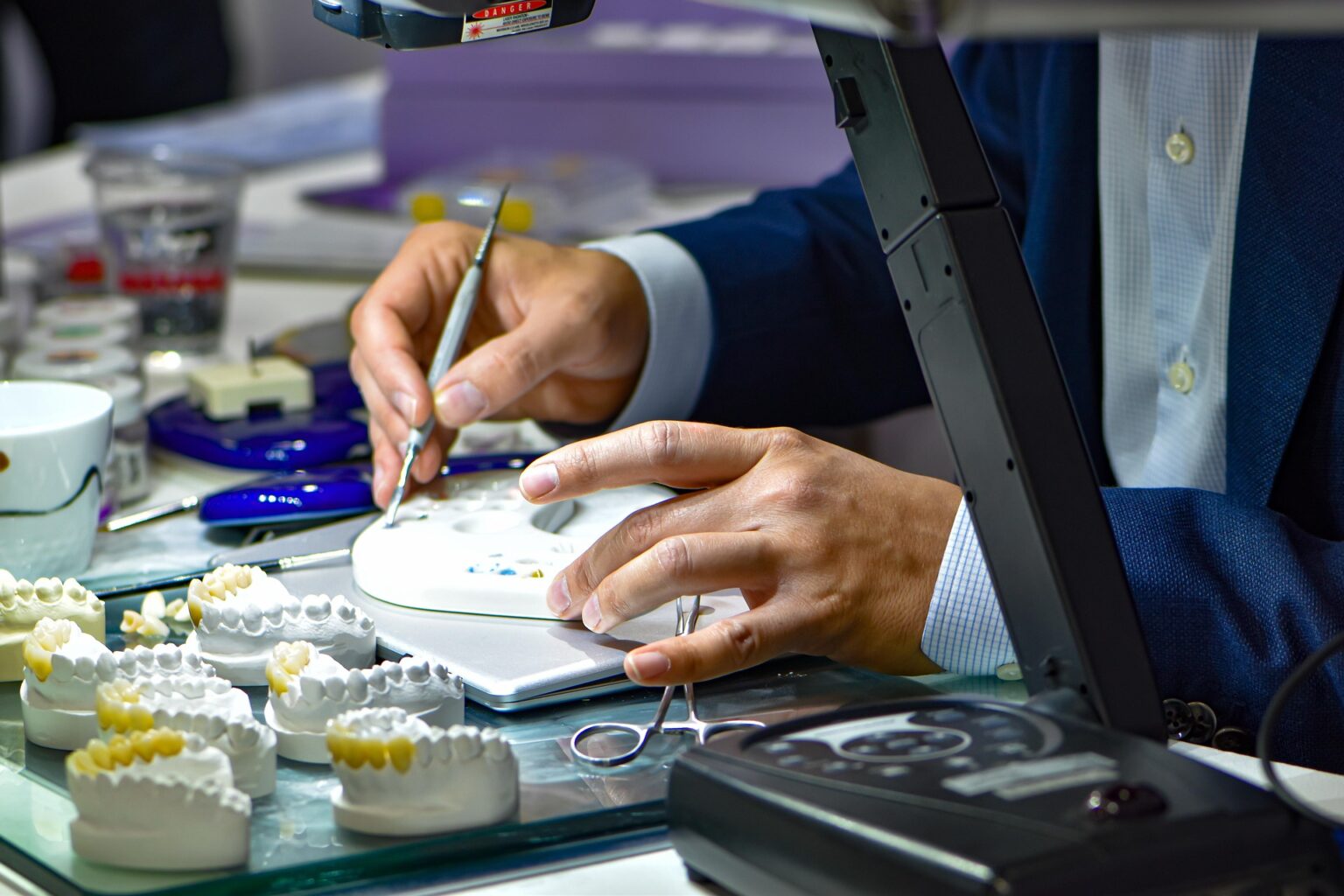
A damaged tooth rarely fixes itself. More often, it follows a predictable pattern. A small crack becomes a larger fracture. A worn filling loosens its grip. A tooth that only felt sensitive to cold starts aching when you chew. By the time many people look into Dental Crowns Oxnard CA, they are not chasing cosmetic perfection. They are trying to save a tooth that has already started to fail.
That is where crowns play a practical, often tooth-saving role. A crown covers and reinforces a weakened tooth, restoring shape, function, and a margin of safety that simple fillings sometimes cannot provide. In everyday practice, crowns are less about making a tooth look new than keeping it from breaking further under real-life forces such as grinding, sticky foods, sudden temperature changes, and years of wear.
For patients in Oxnard, the conversation about crowns often happens after something very ordinary. A bite on a tortilla chip. A missed cavity that spread under an old filling. Years of nighttime clenching that flattened and cracked back teeth. The cause may feel minor, but the consequences can be expensive and painful if treatment is delayed.
When a tooth needs more than a filling
A filling works well when enough healthy tooth structure remains to support it. Once too much of the tooth is gone, the restoration can become the weak point, or worse, the remaining tooth can. This is especially common in molars, where chewing forces are highest. Even an excellent filling cannot always protect thin tooth walls from splitting.
A crown becomes the better choice when the goal shifts from patching a defect to bracing the entire tooth. That distinction matters. If a tooth has a large cavity, a substantial old filling, a crack, or has been treated with a root canal, covering it can significantly reduce the risk of a more catastrophic break.
Patients sometimes ask why a dentist cannot simply place another large filling and “watch it.” The honest answer is that sometimes you can, but sometimes that choice delays a larger problem rather than preventing it. If a tooth breaks below the gumline later, a crown may no longer be enough. Extraction and replacement could become the only option. That is the decision point where judgment matters.
What a crown actually does
A dental crown is a custom-made cap that fits over the visible part of a tooth after the damaged or weakened areas have been shaped and prepared. Its job is structural first. It redistributes chewing pressure, protects vulnerable cusps from flexing and fracturing, and seals the tooth from new bacterial invasion around compromised areas.
It also restores contour. That sounds cosmetic, but it affects daily comfort more than people expect. Teeth need the right anatomy to guide chewing, hold proper contact with neighboring teeth, and meet the opposing teeth evenly. When a tooth loses too much structure, bite balance changes. One poorly supported tooth can trigger soreness, food trapping, gum irritation, and even jaw fatigue.
A well-made crown should feel like a normal tooth after a brief adjustment period. Not bulky, not high, not sharp at the margin. Patients often notice that chewing becomes more confident because they are no longer favoring one side of the mouth.
The kinds of damage crowns are built to handle
Not every cracked or decayed tooth requires a crown, but many do. In clinical terms, crowns are often recommended when the remaining tooth is too compromised to predictably hold a direct restoration over time.
Common situations include:
- A tooth with a large cavity or a large old filling that has undermined the remaining enamel.
- A cracked tooth that hurts on release when chewing or shows signs of structural weakness.
- A tooth after root canal treatment, especially a back tooth that needs extra reinforcement.
- A badly worn tooth from grinding or acid erosion that has lost function and shape.
- A tooth with cosmetic damage severe enough that veneers or bonding would not be durable.
That list covers the broad strokes, but real mouths are less tidy than textbook categories. Sometimes the issue is cumulative. A tooth may have an old silver filling, a second smaller filling, a fracture line, and thinning walls. No one feature looks dramatic in isolation. Together, they create a tooth that is one hard bite away from splitting.
Cracks, fractures, and why timing matters
Cracked teeth deserve special attention because they can be deceptively hard to diagnose. Some patients describe a brief, sharp pain when biting into bread with seeds or when releasing pressure after chewing meat. Others notice random sensitivity to cold that comes and goes. X-rays often do not show the crack clearly. Much of diagnosis comes from symptoms, clinical testing, and pattern recognition.
A crown can help by holding the tooth together and reducing flex under load. If treatment happens early enough, symptoms may settle and the nerve may remain healthy. If the crack deepens into the pulp, root canal treatment may be needed before the crown. If the fracture extends too far below the gum or down the root, the tooth may no longer be restorable.
That is why “waiting to see if it gets worse” can be risky with cracked teeth. Some problems worsen gradually. Cracks sometimes worsen all at once.
Why root canal teeth often need crowns
A tooth after root canal treatment is not automatically fragile because the nerve was removed. The bigger issue is usually how much natural tooth structure was lost to decay, old fillings, access preparation, or the event that caused the damage in the first place. Back teeth are particularly vulnerable because they absorb strong chewing forces every day.
In practice, a molar with root canal treatment and no crown often becomes a future emergency. Patients do fine for a while, then return after the tooth fractures while eating something ordinary. Front teeth are different. A front tooth with minimal structural loss may not always need a full crown, depending on bite, function, and remaining strength. This is where a careful case-by-case evaluation matters more than one-size-fits-all advice.
Materials matter, but fit matters more
Many patients begin by asking which crown material is “best.” It is a reasonable question, but not the whole story. The success of a crown depends heavily on diagnosis, preparation design, bite management, margin quality, and how well the final crown fits. A beautifully marketed material placed on the wrong tooth, or in the wrong way, can still fail.
That said, material choice does matter. Porcelain and ceramic crowns are popular Dental Crowns Oxnard CA because they can look natural and work well in many areas of the mouth. Zirconia is often chosen for its strength, particularly for back teeth or patients who grind heavily. Porcelain fused to metal crowns still have a place in certain situations, though they are less commonly favored where top-tier esthetics matter.
There is always a trade-off. Stronger materials may be less translucent. More lifelike materials may require more thoughtful case selection in heavy grinders. The best choice depends on location in the mouth, bite force, appearance goals, space available, and habits like clenching.
In Oxnard, where patients span every age and occupation, practical concerns often shape this decision. Someone who works physically demanding jobs, clenches under stress, or cannot easily return for repeated repairs may prioritize durability. Someone restoring a visible front tooth may care just as much about color blending and light reflection.
The crown process, in real terms
The crown process is usually straightforward, though details vary by office and by whether the crown is made in a dental lab or milled in-house. Most patients do best when they know not just the steps, but the feel of the process.
After examination and imaging, the tooth is numbed and shaped to create room for the crown. Any decay is removed. If the tooth is deeply compromised, a buildup may be placed first to provide a sound foundation. Impressions or digital scans are taken, and a temporary crown is usually worn while the final restoration is made.
At the second appointment, the temporary is removed and the final crown is tried in. Fit, bite, contour, and color are checked. If everything looks and feels right, the crown is cemented.
For many people, the hardest part is not the procedure itself but the days between visits. Temporary crowns can feel different. They are not meant to be perfect replicas of the final result. Patients should be careful with sticky foods and should call the office if the temporary loosens. A temporary that comes off is not always a crisis, but it should not be ignored for long.
What the dentist is evaluating before recommending a crown
A crown recommendation should never rest on one X-ray image alone. A sound decision usually comes from several observations made together. The dentist is looking at how much tooth remains, where the damage sits, whether the margins can be kept clean and accessible, and how the tooth functions in the bite.
Key factors often include:
- How much healthy enamel and dentin remain to support a restoration.
- Whether cracks, wear, or existing restorations have weakened the cusps.
- The position of the tooth and how much chewing force it receives.
- Gum health and whether the crown margin can be maintained cleanly over time.
- Habits such as clenching, grinding, nail biting, or chewing ice.
This is why two teeth with similar-sized cavities may receive different recommendations. The same defect in a low-pressure premolar is not identical to that defect in a heavily loaded molar in a person who grinds every night.
Dental Crowns Oxnard CA, local considerations that affect care
Searching for Dental Crowns Oxnard CA usually means a patient wants treatment close to home, but local convenience is only one piece of the picture. The better question is how crown treatment fits a patient’s life in a coastal, working community like Oxnard.
Schedules matter. Some patients want fewer visits because of work hours, family responsibilities, or transportation constraints. Same-day crowns can be appealing in those cases, assuming the case is suitable. Other situations benefit from a skilled dental laboratory, especially when shade matching is difficult or the tooth is in the esthetic zone.
Lifestyle matters too. Oxnard patients who surf, play contact sports, or participate in active outdoor work may need extra discussion about mouthguards and long-term protection. Night grinding is common everywhere, but stress-related clenching often shows up clearly in coastal communities where people juggle more than one job, long commutes, and irregular sleep. A crown can restore a tooth, but it cannot by itself eliminate the forces that damaged the original one.
How long crowns last, honestly
Patients almost always ask how long a crown will last. The most honest answer is that there is no fixed expiration date. Many crowns last well over a decade. Some last much longer. Some fail earlier because of decay at the margin, fracture, cement washout, poor bite forces, grinding, or changes in gum health.
Longevity depends less on luck than on a few practical realities. A well-fitted crown on a tooth with healthy gums, good home care, and a stable bite has a better chance of serving for many years. A crown on a person who clenches, skips cleanings, and lets plaque collect around the margin is at much higher risk.
One common misconception is that a crowned tooth no longer gets cavities. The crown itself does not decay, but the tooth underneath still can, especially where the crown meets the natural tooth. Recurrent decay at that edge is one of the main reasons crowns eventually need replacement.
Aftercare is simple, but not optional
Crown maintenance is usually uncomplicated. The same habits that protect natural teeth protect crowned teeth. The challenge is consistency, not complexity.
Brush thoroughly along the gumline. Clean between teeth every day, especially where crowns contact neighboring teeth. Attend regular examinations so early margin issues can be caught before they turn into deep decay. If grinding is part of the picture, wear the nightguard if one is prescribed. Many costly crown failures happen not because the restoration was poor, but because the bite forces remained unmanaged.
The first few days after cementation can involve mild temperature sensitivity or bite awareness. That is not unusual. Sharp pain when biting, a feeling that the tooth is too high, or persistent throbbing deserves a follow-up call. Small bite adjustments can make a large difference in comfort and longevity.
Cost, value, and the expense of delay
A crown is more expensive than a filling, and patients are right to weigh that seriously. Dentistry works best when treatment plans respect budgets as well as biology. But value should be judged against what the crown may prevent.
The cheaper choice today can become the costlier one later if a weakened tooth fractures beyond repair. Once extraction enters the picture, replacement options such as bridges or implants increase both time and expense. That does not mean every borderline tooth should automatically receive a crown. It means patients should understand what is being bought: not just a restoration, but risk reduction.
When discussing cost, a good dental office should also explain the alternatives honestly. Sometimes a large filling is a reasonable interim step. Sometimes onlay-style coverage can preserve more tooth than a full crown. Sometimes the tooth has a poor enough prognosis that investing in a crown makes little sense. Good treatment planning is not about selling the biggest procedure. It is about matching the solution to the actual problem.
Crowns versus onlays, fillings, and extraction
There is no virtue in choosing the most aggressive option when a more conservative one will do. Onlays and inlays can be excellent for certain teeth because they protect compromised cusps while preserving more natural structure than a full crown. Modern bonded restorations have expanded what is possible.
Still, there are limits. If damage is too extensive, if cracks run in dangerous directions, or if old restorative work has already hollowed out the tooth, a crown may be the more reliable answer. The choice is less about philosophy than physics.
Extraction should never be framed casually. Sometimes it is necessary, especially when a tooth is split vertically, has severe bone loss, or has decay too deep to restore predictably. But many teeth that look discouraging at first glance can still be saved with proper crown planning. Preserving natural teeth is usually worth serious consideration when the prognosis is fair to good.
What patients often notice after treatment
There is a practical side to successful crown treatment that people rarely mention in advance. They stop thinking about that tooth. The nagging awareness fades. They chew on that side again. Cold drinks stop causing a jolt. Floss stops shredding around a broken filling edge. The improvement often feels less dramatic than a cosmetic makeover, but more meaningful in daily life.
That is especially true for patients who have been babying one side of the mouth for months. Once function returns, they realize how much the compromised tooth had been shaping their eating habits and comfort.
Choosing a provider for Dental Crowns Oxnard CA
When evaluating options for Dental Crowns Oxnard CA, patients often focus first on price or scheduling. Those matter, but crown success depends heavily on diagnosis and execution. It is worth asking how the office handles cracked teeth, whether bite analysis is part of the process, what crown materials are used for different situations, and how follow-up adjustments are managed.
A crown should not be treated like a commodity. Two crowns may look similar on paper and perform very differently in the mouth depending on fit, margin design, occlusion, and planning. Patients do not need to become experts in restorative dentistry, but they should feel comfortable asking why a crown is being recommended, what alternatives exist, and what the long-term outlook is with and without treatment.
The strongest sign of a thoughtful provider is not speed or salesmanship. It is clarity. The explanation should make sense. The trade-offs should be discussed openly. The treatment should fit the tooth, the bite, and the person wearing it.
A damaged tooth often gives some warning before it fails completely. Sensitivity, pain on chewing, visible fractures, recurrent decay, and crumbling fillings are all signs that the tooth may need more protection than a simple patch can provide. In many of those cases, a crown is not an upgrade. It is a preventive structural repair that helps preserve a tooth before the damage becomes irreparable.
For many Oxnard patients, that is the real value of crown treatment. It buys time, stability, and the chance to keep a natural tooth functioning comfortably for years to come.
Omni Dental Specialty
1690 E Gonzales Rd
Oxnard, CA 93036, United States
Phone: +1 805-410-9603
FAQ About Dental Crowns Oxnard CA
What is the average cost of a crown in California?
The fee depends on the crown material, tooth condition and any additional treatment. Request an itemized estimate from Omni Dental Specialty after an examination, and confirm insurance benefits before scheduling.
How long do dental crowns last?
Longevity varies with the material, fit, oral hygiene and biting habits. Regular dental reviews help identify wear, damage or decay. A crown does not need replacement solely because it reaches a particular age.
Do teeth go bad under crowns?
Decay can develop in the remaining natural tooth, particularly near the crown margin. Brush with fluoride toothpaste, clean between teeth daily and keep dental appointments. Report new pain or looseness promptly.
Which crown is best for bruxism?
No material suits everyone. Your dentist assesses grinding, tooth position, bite forces and appearance before recommending a crown. A protective appliance may also be recommended to manage stress on the restoration.